

Introduction to the Postgraduate Programme
M.Pharm (Pharmaceutics) is a two-year postgraduate program designed to develop highly skilled professionals in formulation development, drug delivery systems, and pharmaceutical manufacturing. The curriculum integrates advanced theoretical knowledge, practical exposure, and research training aligned with evolving industry and academic needs.
The Programme designed for
The programme is designed for those who are interested to make a career in-
| Major Career Opportunities | Higher Education Opportunities | Alternative Career Options |
|---|---|---|
|
|
|
Introduction to the Undergraduate Programme
The field of Pharmaceutical Technology serves as a link between medicine and engineering. It is concerned with the topics that link innovation to the field of medicine. Pharmacy encompasses everything from molecular research to the formulation of novel medications. Pharmacology, Pharmaceutics, Anatomy and Physiology, Pharmacognosy, Pharmaceutical chemistry, Pharmaceutical analysis, Biotechnology, Microbiology are some of the important topics in Pharmaceutical Technology. In just four years, B.Pharm students are exposed to 20 distinct disciplines, giving them the dimension and chance to explore several types of professional opportunities. Pharmacy provides students with opportunities, whether it is in the realm of research or in the realm of employment exposure.
The programme designed for
The programme is designed for those who are interested to make a career in-
| Major Career Opportunities | Higher Education Opportunities | Alternative Career Options |
|---|---|---|
|
|
|
Curriculum Structure
| Sl No. | Semester | Credit Points |
|---|---|---|
| 1. | I | 26 |
| 2. | II | 26 |
| 3. | III | 21 |
| 4. | IV | 23 |
| Total Credits | 96 | |
Curriculum Details
Curriculum Structure
B.Pharm Curriculum Structure - Semester I
| Course Code | Course Name | Hours | Tutorial | Full Marks | Credits |
|---|---|---|---|---|---|
| THEORY | |||||
| PT105 | Human Anatomy and Physiology I – Theory | 3 | 1 | 100 | 4 |
| PT101 | Pharmaceutical Analysis I – Theory | 3 | 1 | 100 | 4 |
| PT106 | Pharmaceutics I – Theory | 3 | 1 | 100 | 4 |
| PT103 | Pharmaceutical Inorganic Chemistry – Theory | 3 | 1 | 100 | 4 |
| PRACTICAL | |||||
| PT195 | Human Anatomy and Physiology – Practical | 4 | - | 100 | 2 |
| PT191 | Pharmaceutical Analysis I – Practical | 4 | - | 100 | 2 |
| PT196 | Pharmaceutics I – Practical | 4 | - | 100 | 2 |
| PT193 | Pharmaceutical Inorganic Chemistry – Practical | 4 | - | 100 | 2 |
| SESSIONAL | |||||
| HU181 | Communication Skills – Theory | 2 | - | 100 | 2 |
| PTB184 / M183 | Remedial Biology / Remedial Mathematics – Theory | 2 | - | 100 | 2 |
| HU182 | Communication Skills – Practical | 2 | - | 100 | 1 |
| PTB185 | Remedial Biology – Practical | 2 | - | 100 | 1 |
| TOTAL | 36 | 4 | 30 | ||
Semester II
Table-II: Course of study for Semester II Course Code |
Name of the Course | No. of Hours | Tutorial | Full Marks | Credit Points |
|---|---|---|---|---|---|
| THEORY | |||||
| PT215 | Human Anatomy and Physiology II – Theory | 3 | 1 | 100 | 4 |
| PT213 | Pharmaceutical Organic Chemistry I – Theory | 3 | 1 | 100 | 4 |
| PT214 | Biochemistry – Theory | 3 | 1 | 100 | 4 |
| PT216 | Pathophysiology – Theory | 3 | 1 | 100 | 4 |
| PRACTICAL | |||||
| PT298 | Human Anatomy and Physiology II – Practical | 4 | - | 100 | 2 |
| PT296 | Pharmaceutical Organic Chemistry I – Practical | 4 | - | 100 | 2 |
| PT297 | Biochemistry – Practical | 4 | - | 100 | 2 |
| SESSIONAL* | |||||
| HU282 | Environmental Sciences – Theory | 3 | - | 100 | 3 |
| PTC203 | Computer Applications in Pharmacy – Theory | 3 | - | 100 | 3 |
| PTC293 | Computer Applications in Pharmacy – Practical | 4 | - | 100 | 2 |
| TOTAL | 34 | 4 | 30 | ||
* Non-university examination
Semester III
| Course Code | Name of the Course | No. of Hours/Week | Tutorial/Week | Credit Points |
|---|---|---|---|---|
| PT314 | Pharmaceutical Organic Chemistry II – Theory | 3 | 1 | 4 |
| PT316 | Physical Pharmaceutics I – Theory | 3 | 1 | 4 |
| PT319 | Pharmaceutical Microbiology – Theory | 3 | 1 | 4 |
| PT317 | Pharmaceutical Engineering – Theory | 3 | 1 | 4 |
| PT394 | Pharmaceutical Organic Chemistry II – Practical | 4 | - | 2 |
| PT396 | Physical Pharmaceutics I – Practical | 4 | - | 2 |
| PT399 | Pharmaceutical Microbiology – Practical | 4 | - | 2 |
| PT397 | Pharmaceutical Engineering – Practical | 4 | - | 2 |
| TOTAL | 28 | 4 | 24 | |
Semester IV
| Course Code | Name of the Course | No. of Hours | Tutorial | Credit Points |
|---|---|---|---|---|
| PT414 | Pharmaceutical Organic Chemistry III – Theory | 3 | 1 | 4 |
| PT413 | Industrial Pharmacy I – Theory | 3 | 1 | 4 |
| PT416 | Physical Pharmaceutics II – Theory | 3 | 1 | 4 |
| PT418 | Pharmacology I – Theory | 3 | 1 | 4 |
| PT412 | Pharmacognosy and Phytochemistry I – Theory | 3 | 1 | 4 |
| PT493 | Industrial Pharmacy I – Practical | 4 | - | 2 |
| PT496 | Physical Pharmaceutics II – Practical | 4 | - | 2 |
| PT498 | Pharmacology I – Practical | 4 | - | 2 |
| PT492 | Pharmacognosy and Phytochemistry I – Practical | 4 | - | 2 |
| TOTAL | 31 | 5 | 28 | |
Semester V
| Course Code | Name of the Course | No. of Hours | Tutorial | Credit Points |
|---|---|---|---|---|
| THEORY | ||||
| PT513A | Medicinal Chemistry I – Theory | 3 | 1 | 4 |
| PT513B | Medicinal Chemistry II – Theory | 3 | 1 | 4 |
| PT518 | Pharmacology II – Theory | 3 | 1 | 4 |
| PT512 | Pharmacognosy and Phytochemistry II – Theory | 3 | 1 | 4 |
| PT516 | Pharmaceutical Jurisprudence – Theory | 3 | 1 | 4 |
| PRACTICAL | ||||
| PT593 | Medicinal Chemistry I – Practical | 4 | - | 2 |
| PT598 | Pharmacology II – Practical | 4 | - | 2 |
| PT592 | Pharmacognosy and Phytochemistry II – Practical | 4 | - | 2 |
| TOTAL | 27 | 5 | 26 | |
Semester VI
| Course Code | Name of the Course | No. of Hours | Tutorial | Credit Points |
|---|---|---|---|---|
| THEORY | ||||
| PT613 | Medicinal Chemistry III – Theory | 3 | 1 | 4 |
| PT618 | Pharmacology III – Theory | 3 | 1 | 4 |
| PT612 | Herbal Drug Technology – Theory | 3 | 1 | 4 |
| PT616 | Biopharmaceutics and Pharmacokinetics – Theory | 3 | 1 | 4 |
| PT619 | Pharmaceutical Biotechnology – Theory | 3 | 1 | 4 |
| PT611 | Quality Assurance – Theory | 3 | 1 | 4 |
| PRACTICAL | ||||
| PT693 | Medicinal Chemistry III – Practical | 4 | - | 2 |
| PT698 | Pharmacology III – Practical | 4 | - | 2 |
| PT692 | Herbal Drug Technology – Practical | 4 | - | 2 |
| TOTAL | 30 | 6 | 30 | |
Semester VII
| Course Code | Name of the Course | No. of Hours | Tutorial | Credit Points |
|---|---|---|---|---|
| THEORY | ||||
| PT711 | Instrumental Methods of Analysis – Theory | 3 | 1 | 4 |
| PT716A | Industrial Pharmacy II – Theory | 3 | 1 | 4 |
| PT718 | Pharmacy Practice – Theory | 3 | 1 | 4 |
| PT716B | Novel Drug Delivery System – Theory | 3 | 1 | 4 |
| PRACTICAL | ||||
| PT791 | Instrumental Methods of Analysis – Practical | 4 | - | 2 |
| SESSIONAL | ||||
| PT-781 | Practice School* | 12 | - | 6 |
| TOTAL | 28 | 4 | 24 | |
* Non-University Examination (NUE)
Semester VIII
| Course Code | Name of the Course | No. of Hours | Tutorial | Credit Points |
|---|---|---|---|---|
| THEORY | ||||
| PT817 | Biostatistics and Research Methodology | 3 | 1 | 4 |
| PT818 | Social and Preventive Pharmacy | 3 | 1 | 4 |
| PT810A | Pharma Marketing Management (Elective)* | 3×2 = 6 | 1×2 = 2 | 4×2 = 8 |
| PT810B | Computer Aided Drug Design (Elective)* | |||
| PT810C | Advanced Instrumentation Techniques (Elective)* | |||
| SESSIONAL | ||||
| PT883 | Project Work | 12 | - | 6 |
| TOTAL | 24 | 4 | 22 | |
- * A student has to opt any two (2) electives.
Curriculum Details
Laboratories
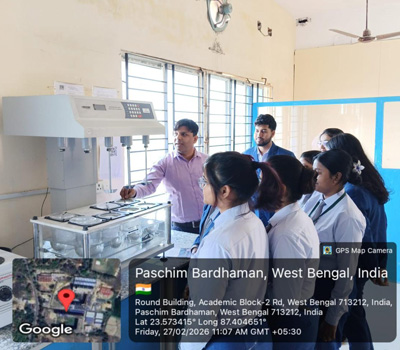
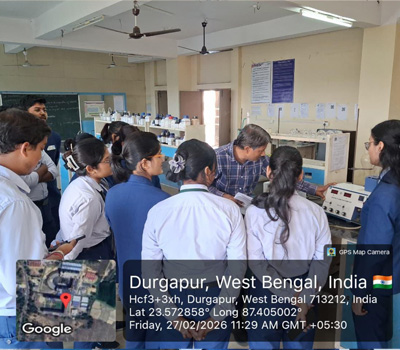
At SETGOI, we believe that hands-on experience is the cornerstone of a successful pharmaceutical education. Our state-of-the-art laboratory facilities are designed to provide aspiring pharmacists with the perfect environment to nurture their curiosity, foster innovation, and develop essential practical skills. Our laboratories are more than just spaces with equipment; they are hubs of innovation where students, guided by experienced faculty, dive into the world of pharmaceutical science. With access to cutting-edge instruments and technologies, our students gain valuable insights into drug formulation, analysis, and development. From compounding and drug design to quality control and pharmacological studies, our labs cover the entire spectrum of pharmaceutical research and practice.
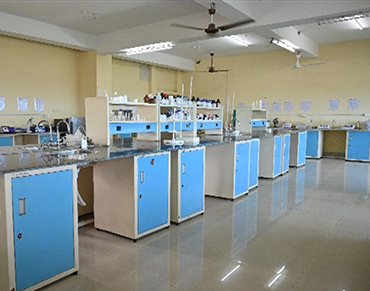
Pharmaceutical Chemistry Laboratory
1) Organic Chemistry Laboratory:- This is the lab where the synthesis of different organic molecules,saponification, nitration,...
Pharmaceutical Chemistry Laboratory
1. Organic Chemistry Laboratory: This is the lab where the synthesis of different organic molecules, saponification, nitration, sulphonation, bromination value determination of different compounds and other techniques are performed.
2. Inorganic Chemistry Laboratory: This is the lab where practical study of inorganic products is carried out. Limit tests, identification tests, Titrations and other methods are performed in this laboratory.
Other facilities
- Medicinal plant garden
- Animal house facility
- GPAT coaching facility

Medicinal Chemistry Laboratory
This is the Lab where the synthesis of different new drugs, assays of different molecules, determination of physicochemical properties are determined....
Medicinal Chemistry Laboratory
This is the Lab where the synthesis of different new drugs, assays of different molecules, determination of physicochemical properties are determined.
Other facilities
- Medicinal plant garden
- Animal house facility
- GPAT coaching facility
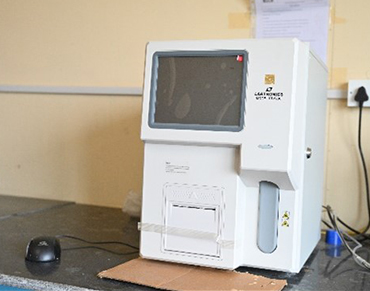
Pharmaceutical Analysis Laboratory
This is the Lab where qualitative and quantitative analysis of the drug is carried out following different methods like Gravimetric analysis,....
Pharmaceutical Analysis Laboratory
This is the Lab where qualitative and quantitative analysis of the drug is carried out following different methods like Gravimetric analysis, chromatography, spectophotometry etc.
Other facilities
- Medicinal plant garden
- Animal house facility
- GPAT coaching facility

Pharmacognosy Laboratory
In this lab the practical related to natural products is performed. Extraction techniques, isolation and separation of marker compounds,....
Pharmacognosy Laboratory
In this lab the practical related to natural products is performed. Extraction techniques, isolation and separation of marker compounds, preparation & standardization of herbal formulations, organoleptic and anatomical study of crude drugs are the some of the examples of the work done here.
Other facilities
- Medicinal plant garden
- Animal house facility
- GPAT coaching facility
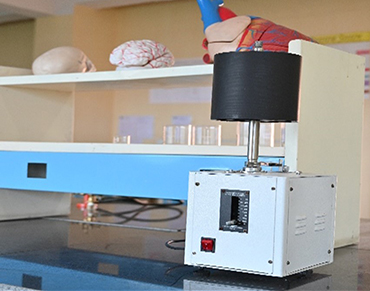
Human Anatomy and Physiology Laboratory
Here the different parts of human body will be identified and studied, body temperature measurement, blood pressure deter....
Human Anatomy and Physiology Laboratory
Here the different parts of human body will be identified and studied, body temperature measurement, blood pressure determination, different tests for blood, blood grouping etc are taught in this lab.
Other facilities
- Medicinal plant garden
- Animal house facility
- GPAT coaching facility
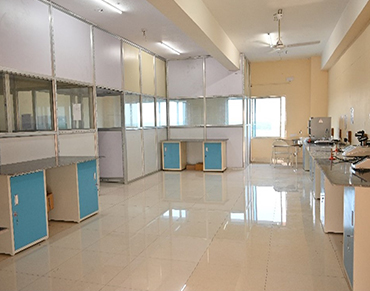
Microbiology Laboratory
In this lab the nature and behavior of Microorganisms is evaluated. Different techniques for Identification of microorganisms....
Microbiology Laboratory
In this lab the nature and behavior of Microorganisms is evaluated. Different techniques for Identification of microorganisms, assay of antibiotics etc are performed here.
Other facilities
- Medicinal plant garden
- Animal house facility
- GPAT coaching facility

Pharmacology Laboratory
The effect of drug in the animal is studied here. Inflammation, antipsychotic, analgesic and other activities are performed here....
Pharmacology Laboratory
The effect of drug in the animal is studied here. Inflammation, antipsychotic, analgesic and other activities are performed here.
Other facilities
- Medicinal plant garden
- Animal house facility
- GPAT coaching facility
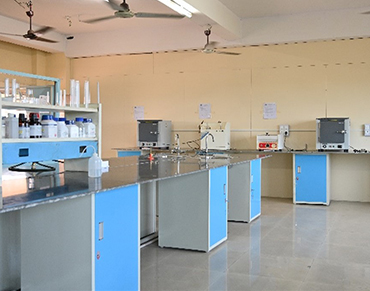
Pharmaceutics Laboratory
The formulation of different dosage forms is performed here in this lab. Tablet, cosmetics, syrup, capsules, ointments....
Pharmaceutics Laboratory
The formulation of different dosage forms is performed here in this lab. Tablet, cosmetics, syrup, capsules, ointments, emulsion and other formulations manufacture and their evaluation done in this lab.
Other facilities
- Medicinal plant garden
- Animal house facility
- GPAT coaching facility

Machine Room
All the large machines are present here. Formulation of different dosage forms and their evaluation are performed here. ....
Machine Room
All the large machines are present here. Formulation of different dosage forms and their evaluation are performed here.
Other facilities
- Medicinal plant garden
- Animal house facility
- GPAT coaching facility
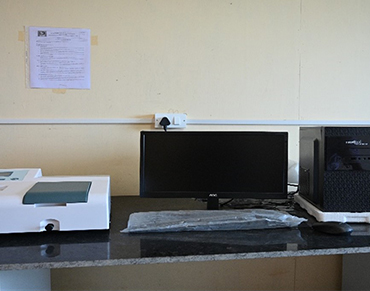
Instrument Room
Many sophisticated instruments are there in this room. Analysis of different drugs will be carried out here.....
Instrument Room
Many sophisticated instruments are there in this room. Analysis of different drugs will be carried out here.
Other facilities
- Medicinal plant garden
- Animal house facility
- GPAT coaching facility
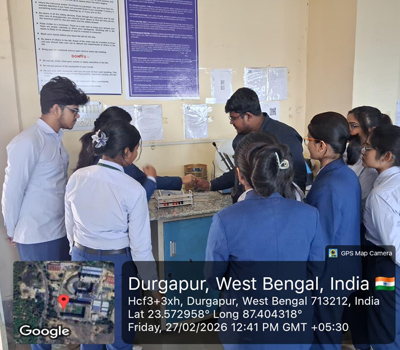
Activity Gallery
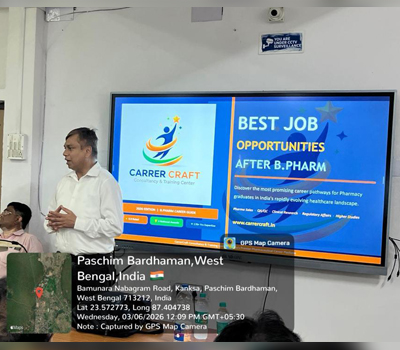

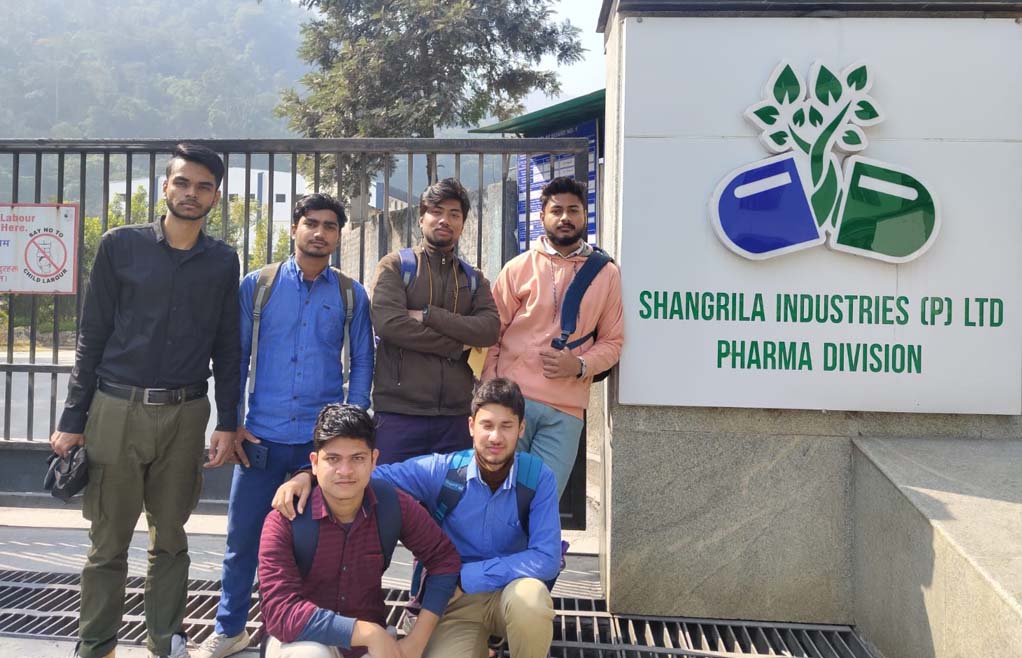


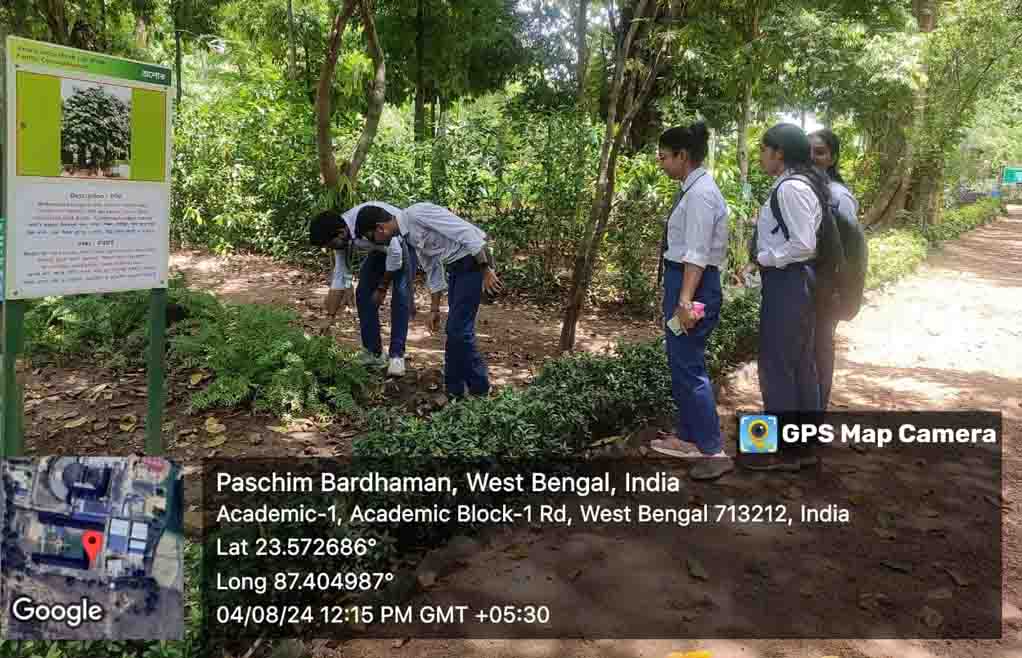
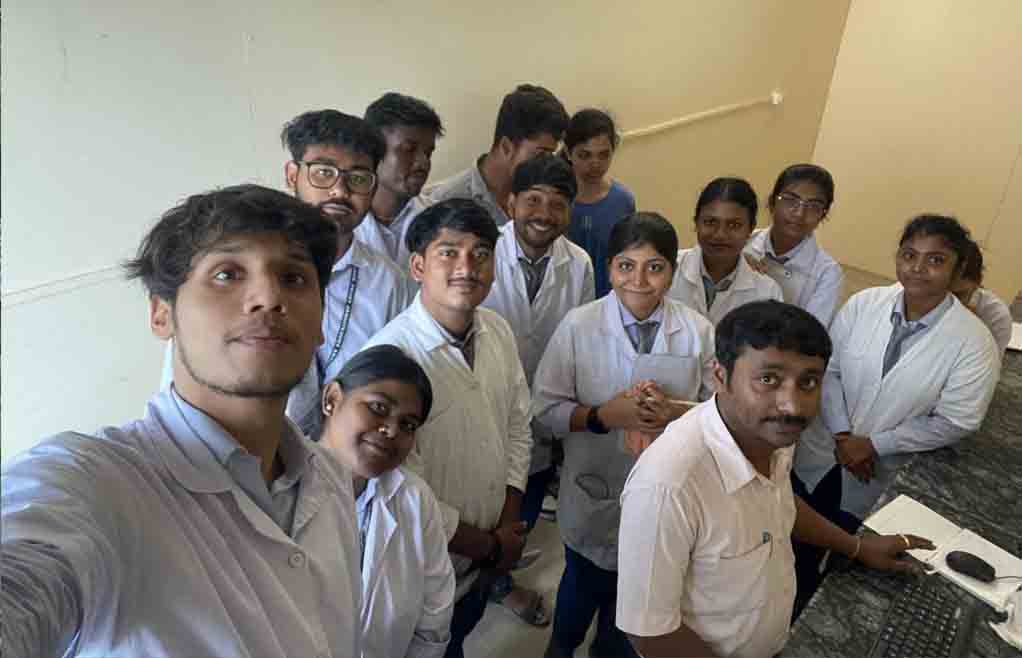
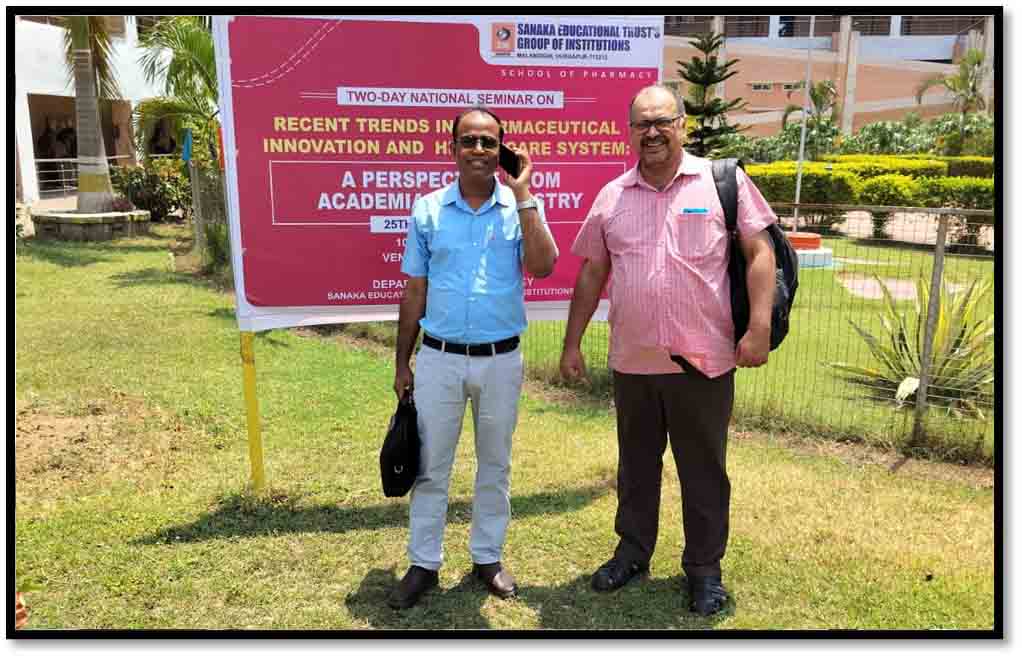

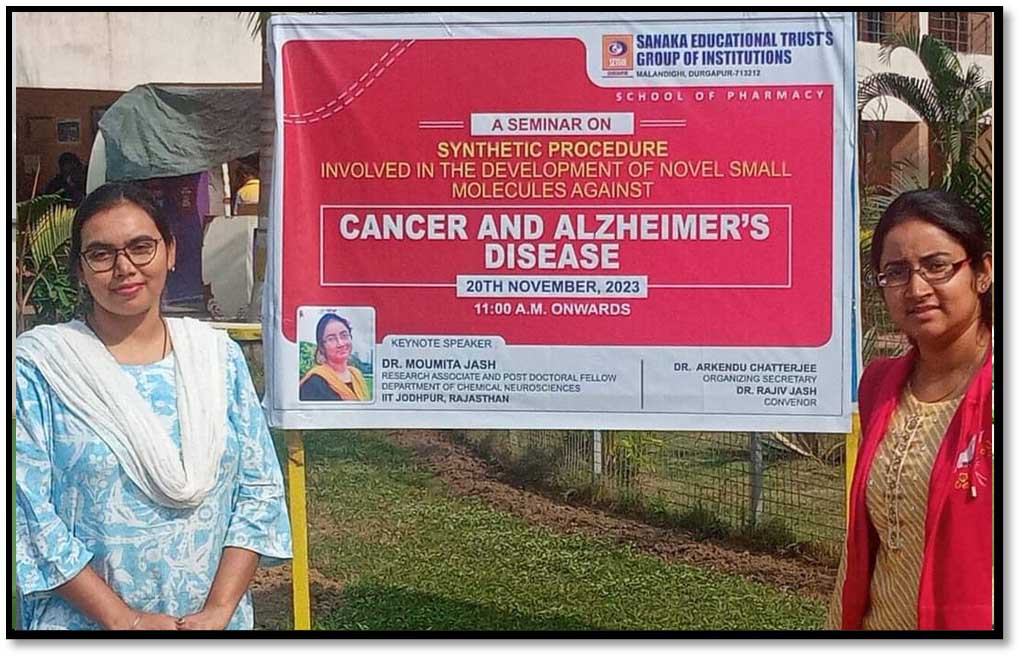
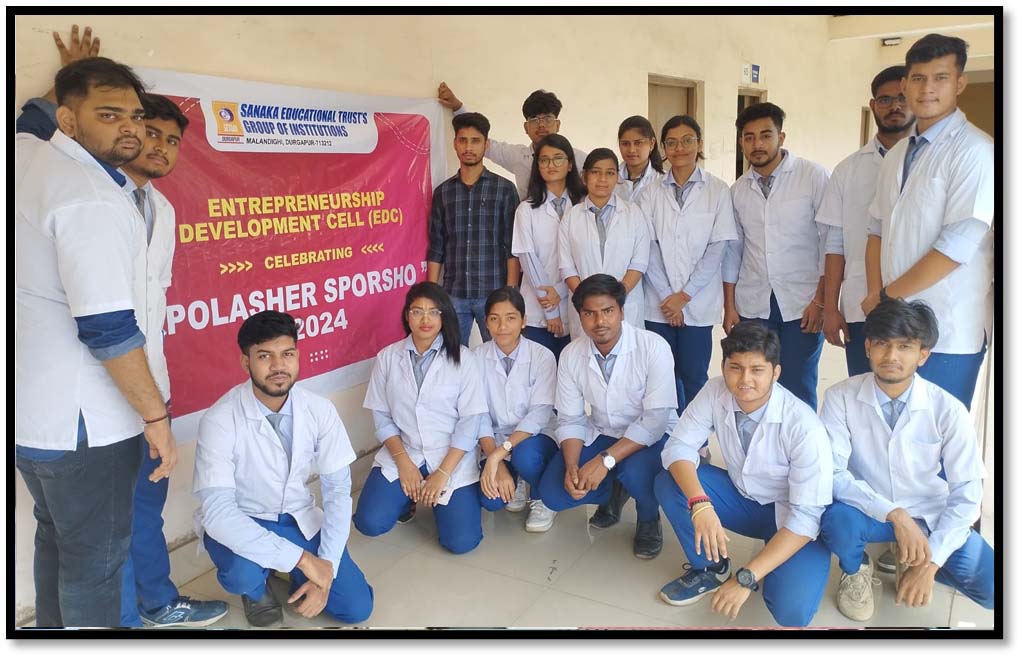


Career Guidance & Mentoring
- Faculty Mentor monitors the personal and professional development of individual student mentee.
- Guides curricular, co-curricular and extra-curricular activities.
- Mentor establishes a personal relationship and addresses the various issues of the student.
- Mentor establishes contact with parent/guardian and facilitates to & fro communication.

Career Guidance & Mentoring
- Faculty Mentor monitors the personal and professional development of individual student mentee.
- Guides curricular, co-curricular and extra-curricular activities.
- Mentor establishes a personal relationship and addresses the various issues of the student.
- Mentor establishes contact with parent/guardian and facilitates to & fro communication.
DEPARTMENT VISION:
To be a premier center of pharmacy education, integrating professional excellence with human values.
DEPARTMENT MISSION:
- M1: Foster continuous growth through Outcome-Based Education, nurturing professional, social, and ethical skills.
- M2: Promote research and innovation addressing environmental and societal challenges.
- M3: Build strong collaborations with industry, academia, research centers, and professional bodies to remain relevant and future-ready.
PROGRAM EDUCATIONAL OBJECTIVES (PEO):
- PEO 1: Excel in professional careers, advanced studies, research, or entrepreneurship.
- PEO 2: Drive societal progress through pharmaceutical innovation and ethical industry practices.
- PEO 3: Uphold lifelong learning, strong communication, leadership, ethics, and social responsibility.
PROGRAM OUTCOMES (PO):
| PO1 | Pharmacy Knowledge: Possess knowledge and comprehension of the core and basic knowledge associated with the profession of pharmacy, including biomedical sciences; pharmaceutical sciences; behavioural, social, and administrative pharmacy sciences; and manufacturing practices. |
|---|---|
| PO2 | Planning Abilities: Demonstrate effective planning abilities including time management, resource management, delegation skills and organizational skills. Develop and implement plans and organize work to meet deadlines. |
| PO3 | Problem Analysis: Utilize the principles of scientific enquiry, thinking analytically, clearly and critically, while solving problems and making decisions during daily practice. Find, analyze, evaluate and apply information systematically and shall make defensible decisions. |
| PO4 | Modern Tool Usage: Learn, select, and apply appropriate methods and procedures, resources, and modern pharmacy-related computing tools with an understanding of the limitations. |
| PO5 | Leadership Skills: Understand and consider the human reaction to change, motivation issues, leadership and team-building when planning changes required for fulfilment of practice, professional and societal responsibilities. Assume participatory roles as responsible citizens or leadership roles when appropriate to facilitate improvement in health and well-being. |
| PO6 | Professional Identity: Understand, analyze and communicate the value of their professional roles in society, for example health care professionals, promoters of health, educators, managers, employers, and employees. |
| PO7 | Pharmaceutical Ethics: Honour personal values and apply ethical principles in professional and social contexts. Demonstrate behaviour that recognizes cultural and personal variability in values, communication and lifestyles. Use ethical frameworks; apply ethical principles while making decisions and take responsibility for the outcomes associated with the decisions. |
| PO8 | Communication: Communicate effectively with the pharmacy community and with society at large, such as being able to comprehend and write effective reports, make effective presentations and documentation, and give and receive clear instructions. |
| PO9 | The Pharmacist and Society: Apply reasoning informed by the contextual knowledge to assess societal, health, safety and legal issues and the consequent responsibilities relevant to the professional pharmacy practice. |
| PO10 | Environment and Sustainability: Understand the impact of the professional pharmacy solutions in societal and environmental contexts, and demonstrate the knowledge of, and need for sustainable development. |
| PO11 | Life-long Learning: Recognize the need for, and have the preparation and ability to engage in independent and life-long learning in the broadest context of technological change. Self-assess and use feedback effectively from others to identify learning needs and to satisfy these needs on an ongoing basis. |